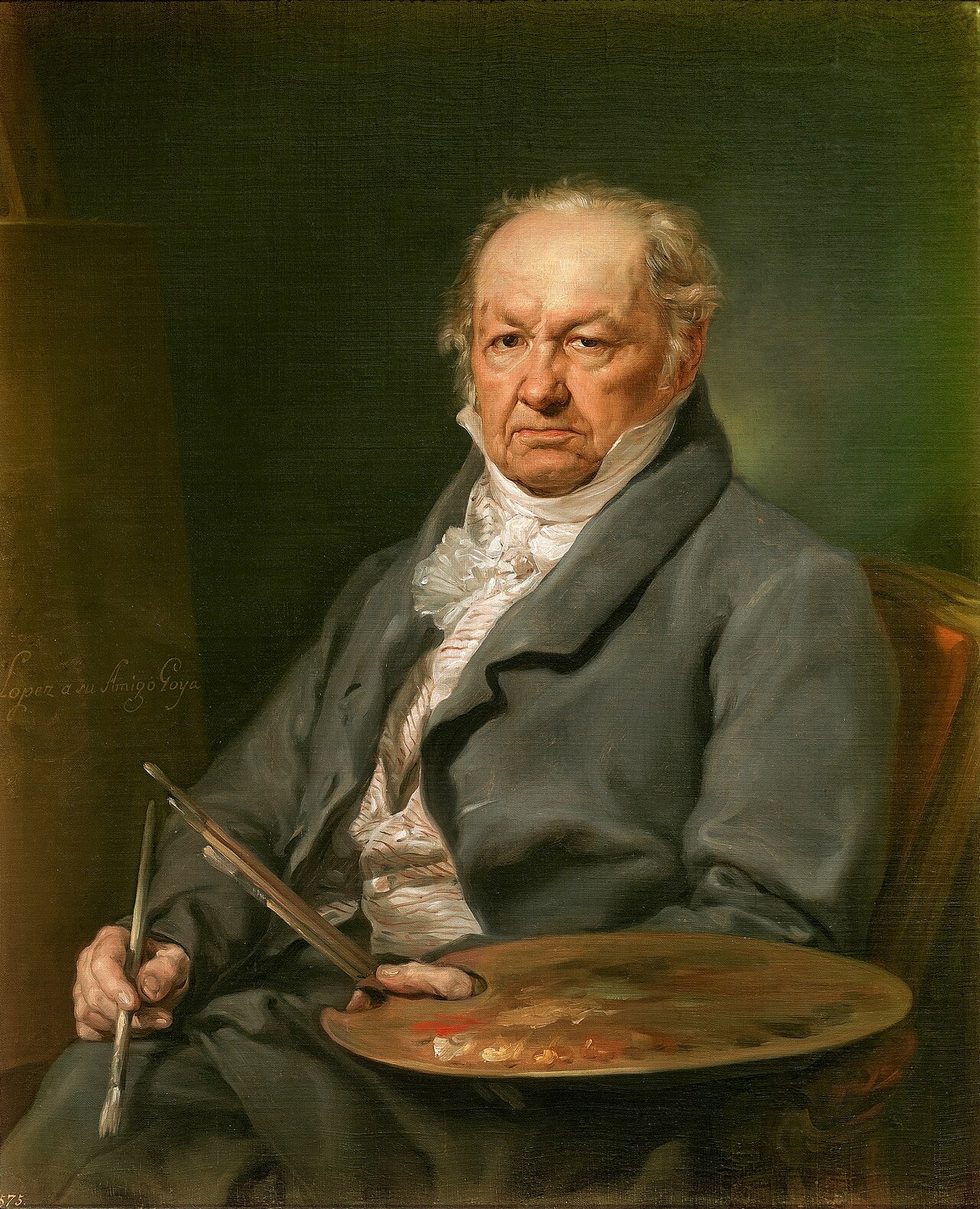
The Goya Awards, often hailed as the "Spanish Oscars," stand as the most prestigious accolades in Spanish cinema. Established in 1986 by the Academia de las Artes y las Ciencias Cinematográficas de España (Spanish Academy of Cinematic Art and Science), these awards annually celebrate cinematic excellence across various categories. The coveted mejor película Goya, or Best Picture award, is the highest honor a film can receive, symbolizing critical acclaim and significant artistic achievement within the Spanish film industry.
While one might naturally assume that a film earning the title of mejor película Goya would exclusively be in Spanish, the history of the awards reveals a fascinating and often overlooked trend: a significant number of top-tier winners have embraced other languages. These linguistic departures showcase the diverse creative visions of Spanish filmmakers and reflect the globalized nature of modern cinema. From English-language thrillers to films rich in Catalan or Galician, these productions challenge preconceptions and highlight the breadth of stories and voices emerging from Spain.
The Goya Awards: A Beacon of Spanish Cinema (and Beyond)
Since their inception, the Premios Goya have played a pivotal role in recognizing and promoting the best of Spanish filmmaking. The awards serve as a vital platform for both established legends and emerging talents, celebrating the craft from direction and screenwriting to acting and technical prowess. Winning a Goya, especially for mejor película Goya, can dramatically boost a film's profile, both domestically and internationally, opening doors to wider distribution and critical discussion.
The criteria for a film to be considered for the Goya Awards primarily revolve around its Spanish connection—be it through production, director, cast, or crew. However, this connection does not mandate the use of the Spanish language. This flexibility has allowed for a richer, more varied tapestry of films to compete, reflecting Spain's multicultural identity and its strong ties to global co-productions. This openness has led to some truly remarkable cinema receiving the highest honor, proving that storytelling transcends linguistic boundaries. For a deeper dive into films that have dominated the Goya Awards in terms of sheer numbers, explore Goya Best Picture: Record Holders in Awards & Nominations.
English Language Triumphs: A Global Reach for Spain's Top Prize
Perhaps the most striking examples of non-Spanish mejor película Goya winners are those filmed primarily in English. These films often represent ambitious international co-productions or reflect a director's decision to craft a story with universal appeal, sometimes intended for a broader global audience from the outset. Several notable films have taken home the top prize in English:
- El sueño del mono loco (Twisted Obsession, 1989): Directed by the acclaimed Fernando Trueba, this early Goya winner demonstrated the awards' willingness to embrace international collaborations. Starring Jeff Goldblum and Miranda Richardson, the thriller, though directed by a Spaniard, fully utilized English to tell its captivating story, proving that the Goya was about the artistic vision and connection to Spanish talent, not just language.
- Los otros (The Others, 2001): Alejandro Amenábar's chilling gothic horror film starring Nicole Kidman became a massive international hit. Filmed entirely in English, its success was a testament to Amenábar's mastery of the genre and his ability to craft suspense that resonated globally. Its win for mejor película Goya underscored the growing international profile of Spanish filmmakers working across linguistic barriers.
- La vida secreta de las palabras (The Secret Life of Words, 2005): Isabel Coixet, a director known for her sensitive and introspective narratives, won with this profound drama. Starring Sarah Polley and Tim Robbins, the film delves into themes of trauma and connection, delivered compellingly in English. This win highlighted Coixet's unique voice and her comfort working in different linguistic contexts to achieve her artistic goals.
- La librería (The Bookshop, 2017): Coixet returned to triumph again with another English-language feature. An adaptation of Penelope Fitzgerald's novel, this film, starring Emily Mortimer and Bill Nighy, explored the quiet courage of a woman opening a bookshop in a conservative English town. Its victory solidified Coixet's reputation as a director whose vision transcends linguistic barriers, consistently earning the highest recognition from the Spanish Academy.
These English-language successes are not merely anomalies but illustrate a strategic choice by Spanish directors to leverage the global lingua franca. This often facilitates larger budgets, attracts international talent, and broadens the narrative scope, allowing for stories that might not be geographically tied to Spain but are nonetheless deeply rooted in Spanish creative genius.
Celebrating Regional Voices: Catalan and Galician Gems
Beyond English, the Goya Awards have also celebrated films made in Spain's co-official regional languages, specifically Catalan and Galician. These wins are particularly significant as they underscore Spain's rich cultural and linguistic diversity, bringing stories from distinct communities to the national and international spotlight. Recognizing these films for mejor película Goya champions the preservation and promotion of these languages through the powerful medium of cinema.
- Pa negre (Black Bread, 2010): Agustí Villaronga's poignant drama, set in post-Civil War Catalonia, made history by becoming the first film entirely in Catalan to win the mejor película Goya. Its powerful narrative, stunning cinematography, and authentic performances resonated deeply, proving that a story's emotional impact is independent of its primary language, as long as it's told with truth and artistry. This was a landmark win for Catalan cinema, demonstrating its vital contribution to Spanish filmmaking.
- As bestas (The Beasts, 2022): Rodrigo Sorogoyen's intense thriller, set in rural Galicia, skillfully wove together Galician and French dialogues, reflecting the specific dynamics of its cross-cultural setting. This film's raw power and gripping narrative captivated audiences and critics alike, earning it the top Goya prize. Its linguistic blend was integral to its authenticity, further highlighting the Academy's appreciation for nuanced, multilingual storytelling within Spanish cinema.
- El 47 (2024): Marcel Barrena's upcoming film, primarily in Catalan, is already recognized by the Academy, continuing the trend of celebrating regional linguistic narratives. These films often delve into specific regional histories, social issues, or cultural identities, offering unique perspectives that enrich the broader canvas of Spanish cinema.
These victories in Catalan and Galician demonstrate that the Goya Awards are not just about Spanish-language cinema but about cinema made by Spanish talent, reflecting the multifaceted cultural landscape of the nation. They give voice to distinct regional identities and stories, ensuring that the country's cinematic output is as diverse as its people.
What Drives a Mejor Película Goya Beyond Spanish?
The reasons behind a Spanish production choosing a non-Spanish language are varied and often strategic. Primarily, it can be an artistic choice—the story might inherently demand a specific setting or dialogue, as seen in period pieces set abroad or narratives involving international characters. For directors like Isabel Coixet, working in English often allows her to explore universal themes that resonate globally without being tied to a specific Spanish context.
Furthermore, international co-productions play a significant role. Many acclaimed Spanish films involve funding, talent, or locations from other countries, particularly those in English-speaking territories or France. Using English or French in these instances can facilitate easier collaboration and broader market access. For genre films, like Alejandro Amenábar's *Los otros*, English can be a key to reaching a wider global audience, capitalizing on international distribution networks.
For films in Catalan or Galician, the choice is deeply rooted in authenticity and cultural representation. These films aim to tell stories from their specific regions in their native tongue, offering a genuine portrayal of characters and their environments. The Academy's recognition of these films for mejor película Goya underlines a commitment to acknowledging the rich cultural tapestry within Spain itself.
Ultimately, these non-Spanish language winners for mejor película Goya are not an exception but an affirmation of the global and diverse nature of contemporary Spanish cinema. They demonstrate that Spanish filmmakers are unafraid to innovate, collaborate, and tell compelling stories in whatever language best serves their vision, while still embodying a distinct Spanish artistic sensibility. For those interested in the pinnacle of Goya recognition, regardless of language, take a look at The Elite Few: Films That Swept Goya's Top 5 Awards, which highlights films that excelled across all major categories.
The legacy of the Goya Awards is one of celebrating artistic excellence and the power of storytelling. The diverse array of languages represented among the mejor película Goya winners proves that the highest honor in Spanish cinema is not confined by linguistic borders but is instead a testament to creativity, vision, and the universal appeal of great films. Exploring these unique winners offers a deeper appreciation for the nuanced and expansive world of Spanish filmmaking.