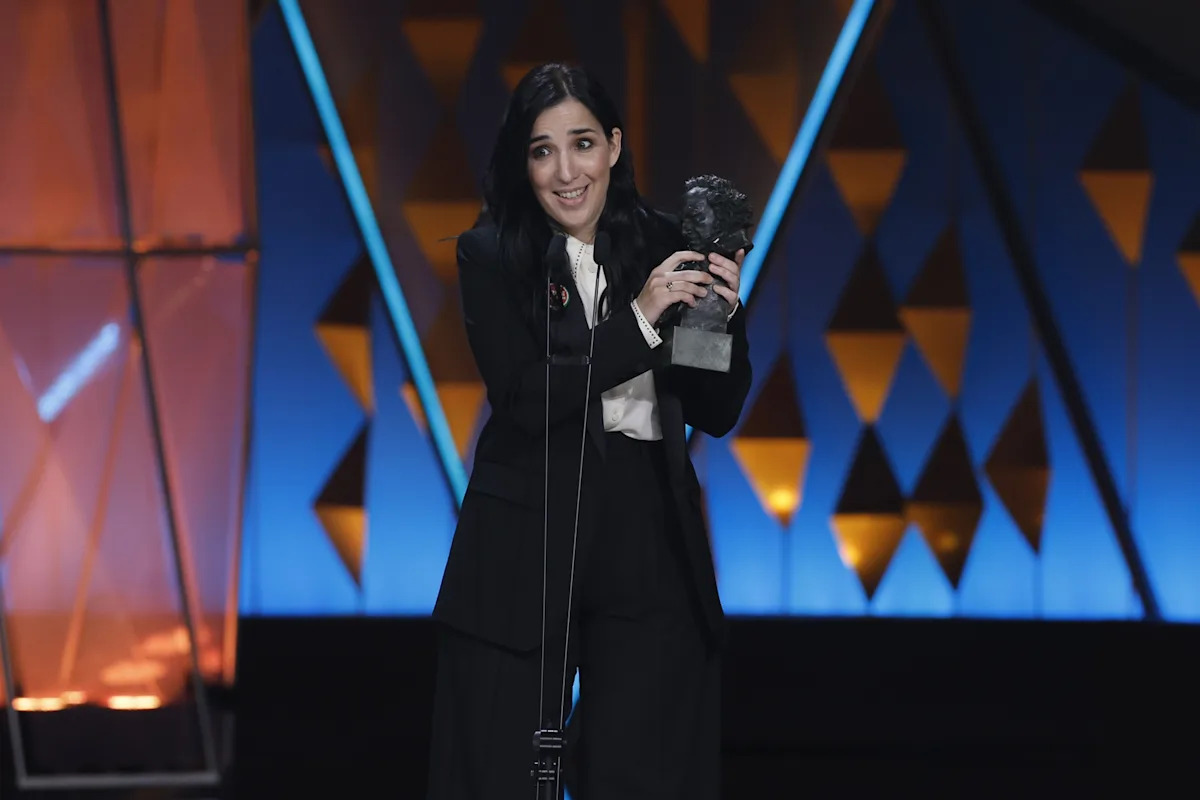
The Elite Few: Films That Swept Goya's Top 5 Awards
The Goya Awards, often hailed as the "Spanish Oscars," stand as the most prestigious accolades in Spanish cinema. Established in 1986 by the Academia de las Artes y las Ciencias Cinematográficas de España (Spanish Academy of Cinematic Art and Science), these annual awards celebrate the best of Spanish filmmaking. While winning the coveted mejor película goya (Best Film) is an immense honor, an even rarer feat is to sweep the five principal categories: Best Film, Best Director, Best Original or Adapted Screenplay, Best Lead Actor, and Best Lead Actress.
This exclusive club of films represents the pinnacle of artistic and technical excellence, demonstrating a profound synergy across all creative departments. Such an achievement signifies not just an outstanding individual performance or a brilliant script, but a perfectly orchestrated cinematic masterpiece, resonating deeply with both critics and audiences. Join us as we delve into the stories of the extraordinary films that have reached this legendary status in Goya history.
The Pinnacle of Excellence: Films That Swept the Goya's Top 5
Only three films in the history of the Goya Awards have managed the incredible feat of winning the "Big Five" – Best Film, Best Director, Best Screenplay, Best Lead Actor, and Best Lead Actress. This rare accomplishment speaks volumes about the comprehensive quality and impact of these cinematic works. Let's explore the illustrious members of this elite group:
1. ¡Ay, Carmela! (1990) – A Masterpiece of Resilience and Humanity
Directed by the legendary Carlos Saura, ¡Ay, Carmela! burst onto the scene at the 5th Goya Awards, captivating the jury and critics alike. Set during the Spanish Civil War, the film follows a troupe of traveling performers caught between the opposing Nationalist and Republican forces. Its poignant blend of dark comedy, tragedy, and a powerful anti-war message resonated deeply with a nation still grappling with its past.
- Best Film: A testament to its compelling narrative and historical significance.
- Best Director: Carlos Saura's masterful direction skillfully navigated the film's complex tones, bringing out nuanced performances and capturing the era's spirit.
- Best Adapted Screenplay: Rafael Azcona and Carlos Saura adapted José Sanchis Sinisterra's play, crafting a script rich in character, humor, and heart-wrenching drama.
- Best Lead Actor: Andrés Pajares delivered a career-defining performance as Paulino, portraying a man torn between survival and artistic integrity.
- Best Lead Actress: Carmen Maura, a powerhouse of Spanish cinema, shone as Carmela, embodying strength, passion, and a defiant spirit.
The film's victory underscores its profound impact, securing its place as a seminal work in Spanish cinema history and demonstrating how a well-crafted narrative can illuminate profound human truths against a tumultuous historical backdrop.
2. Te doy mis ojos (Take My Eyes) (2003) – A Courageous Look at Domestic Violence
Thirteen years later, Icíar Bollaín's unflinching drama Te doy mis ojos achieved the same remarkable sweep at the 18th Goya Awards. This film dared to confront the painful reality of domestic violence in Spain, telling the story of Pilar, who flees her abusive husband, Antonio, and attempts to rebuild her life. Its raw honesty and deeply empathetic approach made it a cultural touchstone.
- Best Film: Recognized for its bravery in tackling a sensitive social issue with depth and authenticity.
- Best Director: Icíar Bollaín's sensitive and powerful direction brought out the raw emotions and complex psychology of the characters without resorting to sensationalism.
- Best Original Screenplay: Written by Icíar Bollaín and Alicia Luna, the script provided a nuanced portrayal of the cycle of abuse, its impact, and the difficult path to recovery.
- Best Lead Actor: Luis Tosar delivered a chilling yet complex performance as Antonio, showing the destructive nature of control and jealousy.
- Best Lead Actress: Laia Marull portrayed Pilar with heartbreaking vulnerability and quiet strength, a performance that resonated deeply with audiences.
Te doy mis ojos wasn't just a film; it was a conversation starter, a call to action, and a testament to cinema's power to address pressing societal concerns. Its recognition with the top Goya honors validated its artistic merit and its crucial social contribution.
3. Mar adentro (The Sea Inside) (2004) – A Profound Meditation on Life and Death
Following closely on the heels of Te doy mis ojos, Alejandro Amenábar's deeply moving drama Mar adentro dominated the 19th Goya Awards, matching the "Big Five" sweep and setting a new record for the most Goya Awards won by a single film (14 out of 15 nominations). Based on the true story of Ramón Sampedro, a quadriplegic fighting for the right to end his life with dignity, the film explores profound ethical and philosophical questions.
- Best Film: A unanimous choice for its universal themes, masterful execution, and powerful emotional resonance.
- Best Director: Alejandro Amenábar's vision brought grace and depth to a highly sensitive subject, balancing respect for the individual with broader societal debates.
- Best Original Screenplay: Ramón Sampedro, Alejandro Amenábar, and Mateo Gil crafted a script that was both intellectually rigorous and deeply human, presenting multiple perspectives on a complex issue.
- Best Lead Actor: Javier Bardem's transformative performance as Ramón Sampedro, a man confined to his bed yet boundless in spirit, is widely considered one of his finest.
- Best Lead Actress: Lola Dueñas delivered a nuanced performance as Rosa, one of the women who cares for Ramón and falls in love with him, portraying her devotion and struggle with profound empathy.
Mar adentro's success extended far beyond the Goya Awards, earning an Academy Award for Best Foreign Language Film. Its comprehensive Goya victory solidifies its place as an international cinematic triumph and a film that profoundly moved and challenged audiences worldwide.
Beyond the Wins: What Defines a "Top 5" Goya Triumph?
The shared success of ¡Ay, Carmela!, Te doy mis ojos, and Mar adentro reveals several common threads that elevate them to this unique echelon of Spanish cinema:
- Unflinching Storytelling: Each film tackles complex, often uncomfortable, human experiences—war, domestic abuse, euthanasia—with courage and integrity. They don't shy away from moral ambiguities or difficult emotional landscapes.
- Visionary Direction: Carlos Saura, Icíar Bollaín, and Alejandro Amenábar each brought a distinct, confident, and empathetic directorial vision that guided every aspect of their respective productions to perfection. Their ability to draw out profound performances and shape powerful narratives is undeniable.
- Exceptional Screenwriting: The strength of the narrative foundation is paramount. These scripts are not just well-written; they are meticulously crafted, rich in dialogue, character development, and thematic depth, providing fertile ground for both actors and directors.
- Transformative Performances: The winning lead actors and actresses didn't merely play roles; they inhabited them, delivering performances that were both technically brilliant and emotionally devastating. Their ability to convey the essence of their characters, often under immense dramatic pressure, was key to the films' overall impact.
- Societal Relevance and Impact: While cinematic artistry is central, these films also resonated because they touched on universal human conditions or significant societal debates, sparking conversations and fostering empathy long after the credits rolled.
Winning the mejor película goya alongside the other four main awards signifies a rare alignment of directorial prowess, narrative brilliance, and acting excellence, culminating in an unforgettable cinematic experience.
The Broader Goya Landscape: Records and Rarities
While the "Big Five" sweep is a specific and incredibly rare achievement, it's worth noting the broader context of Goya's most awarded and nominated films. This provides perspective on just how competitive the Spanish film landscape is and further highlights the extraordinary nature of these three films' comprehensive victories.
For instance, films like _Mar adentro_ not only achieved the "Big Five" but also holds the record for the most Goya Awards won overall, with an astounding 14 trophies. _¡Ay, Carmela!_ also stands tall with 13 awards. More recently, _La sociedad de la nieve_ (2023) earned 12 Goyas, a remarkable feat, though it didn't complete the full "Big Five" sweep.
The sheer number of nominations can also tell a story of a film's perceived quality and ambition. Movies like _El buen patrón_ (2021) with 20 nominations, _Días contados_ (1994) with 19, and _La niña de tus ojos_ (1998) and _Blancanieves_ (2012), both with 18, illustrate the high bar set for critical recognition. While these films were widely celebrated, none managed to clinch all five top individual and collective awards. For a deeper dive into these impressive statistics, you can explore Goya Best Picture: Record Holders in Awards & Nominations.
The Goya Awards also celebrate diversity, recognizing films produced in various languages beyond Spanish. Examples include English-language winners like _El sueño del mono loco_ (1989), _Los otros_ (2001), and _La librería_ (2017), as well as Catalan films like _Pa negre_ (2010) and _El 47_ (2024), and the Galician/French production _As bestas_ (2022). This open-mindedness demonstrates the Academy's commitment to recognizing artistic excellence regardless of language, making the "Big Five" sweep by Spanish-language films even more noteworthy as a testament to their profound connection with the national cinematic spirit. For more on this, check out Beyond Spanish: Goya Best Picture Winners in Other Languages.
Enduring Legacy and Impact on Spanish Cinema
The films that have achieved the "Big Five" Goya sweep are not merely statistics in an awards history book; they are cornerstones of Spanish cinematic heritage. They have set a benchmark for future generations of filmmakers, directors, screenwriters, and actors, demonstrating the profound impact that a truly cohesive and excellent production can have.
Their continued relevance is evident in how they are studied in film schools, frequently discussed in critical analyses, and cherished by audiences. They are testaments to the power of storytelling to reflect, challenge, and inspire. These films didn't just win awards; they carved out a permanent place in the cultural fabric of Spain and, in some cases, the world. Their success reinforces the idea that the Goya Awards recognize not just fleeting moments of brilliance but enduring works of art that resonate across time.
Conclusion
The Goya Awards represent the zenith of achievement in Spanish filmmaking, and the mejor película goya is its most coveted prize. Yet, the triumph of sweeping the "Big Five" categories—Best Film, Best Director, Best Screenplay, Best Lead Actor, and Best Lead Actress—remains an exclusive and extraordinary honor. ¡Ay, Carmela!, Te doy mis ojos, and Mar adentro stand as monumental achievements, each a shining example of cinematic artistry that captivated an entire industry.
These films not only demonstrated individual excellence in every major creative department but also collectively created powerful, resonant narratives that continue to leave an indelible mark. They remind us that true greatness in cinema emerges from a harmonious blend of visionary direction, compelling storytelling, and unforgettable performances. For any cinephile looking to experience the very best of Spanish cinema, these three masterpieces are essential viewing, offering profound insights and captivating drama that transcend borders and time.