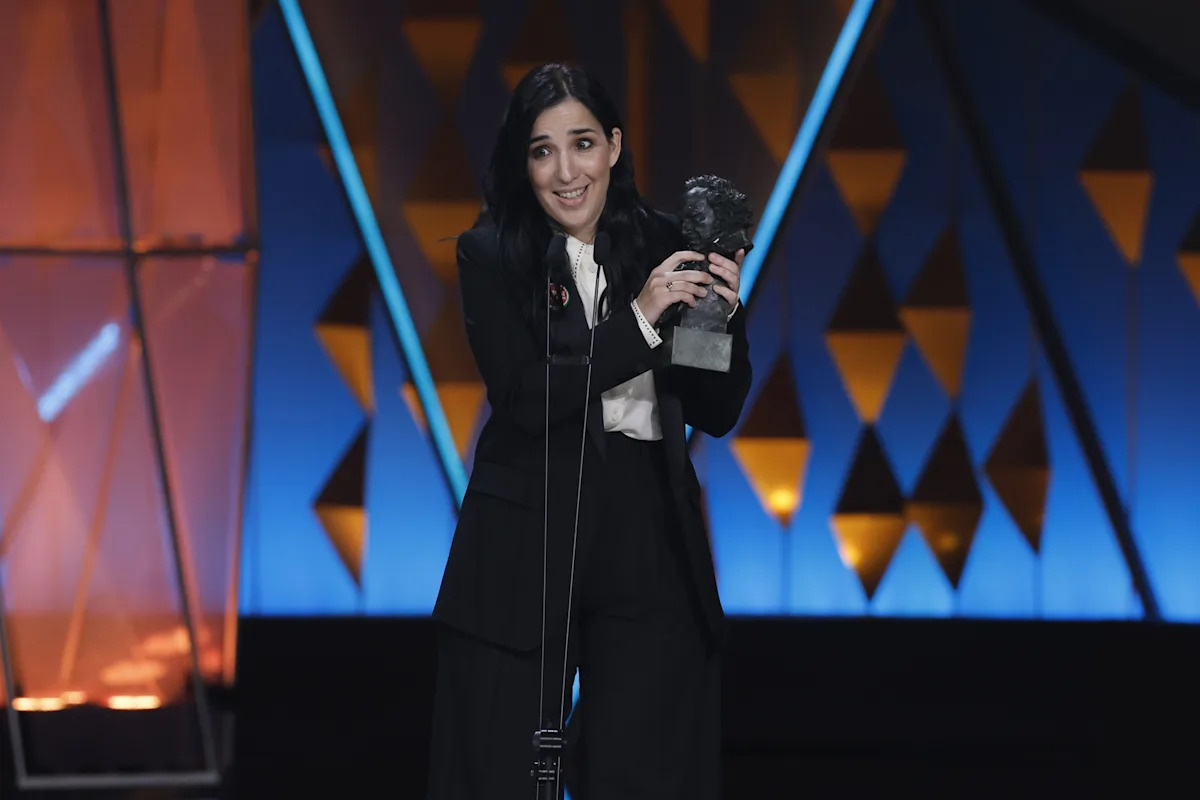
The Goya Awards, often hailed as Spain's answer to the Oscars, represent the pinnacle of cinematic achievement in the Spanish film industry. Since their inception in 1986 by the Academia de las Artes y las Ciencias Cinematográficas de España (Spanish Academy of Cinematic Art and Science), these prestigious accolades have celebrated the finest talents and most impactful productions. Among all categories, the Goya for Best Picture, or Premio Goya a la mejor película, stands as the most coveted prize, recognizing the film deemed to have made the most significant artistic and technical contribution of the year.
Winning the `mejor película goya` is not just about a single award; it often signifies a movie's comprehensive excellence across direction, acting, screenplay, and technical departments. Over the decades, certain films have not only claimed this top honor but have also etched their names into the history books by accumulating an extraordinary number of awards and nominations. These record holders showcase the incredible breadth and depth of Spanish cinema, providing a fascinating glimpse into the industry's most celebrated works and the consistent quality that defines them.
The Pinnacle of Spanish Cinema: What Defines a Goya Best Picture?
The Goya Awards are more than just an annual ceremony; they are a vital institution that promotes and preserves Spanish cinematic culture. The award for `mejor película goya` is particularly significant because it reflects the collective judgment of the Academy members on a film's overall merit. It's a testament to a production's storytelling prowess, technical innovation, emotional resonance, and cultural impact.
What sets a Goya Best Picture winner apart? Judges look for a harmonious blend of exceptional direction, compelling screenwriting, memorable performances, and state-of-the-art technical execution. It's about a film that not only entertains but also provokes thought, sparks conversation, or pushes the boundaries of cinematic art. The winning film often becomes a benchmark for future productions and a defining work of its era. For audiences and cinephiles, following the `mejor película goya` nominees and winners provides an invaluable guide to the must-see films emerging from Spain each year, offering a curated selection of artistic excellence and engaging narratives that transcend borders and languages.
Unpacking the Record Books: Most Awards Won
While a single Goya for Best Picture is a monumental achievement, some films have managed to sweep the awards, collecting an astounding number of statuettes across various categories. These films are often masterpieces that resonate deeply with critics and audiences alike, demonstrating an unparalleled level of craftsmanship and storytelling.
Leading the pack for the sheer volume of awards won are:
- Mar adentro (The Sea Inside, 2004): Alejandro Amenábar's poignant drama holds the record with an incredible 14 Goya Awards, including `mejor película goya`, Best Director, Best Actor for Javier Bardem, and Best Original Screenplay. Its powerful narrative about Ramón Sampedro's fight for the right to end his life captivated Spain and the international community, also earning an Academy Award for Best Foreign Language Film.
- ¡Ay, Carmela! (Ay, Carmela!, 1990): Carlos Saura's darkly comedic take on the Spanish Civil War secured 13 Goya Awards. This film masterfully blended satire, drama, and historical context, showcasing exceptional performances and a daring script that resonated with the Academy members.
- La sociedad de la nieve (Society of the Snow, 2023): J.A. Bayona's gripping survival drama, depicting the harrowing true story of the 1972 Andes plane crash, recently claimed 12 Goya Awards. Its technical brilliance, immersive storytelling, and powerful performances captivated audiences and critics, cementing its place as one of the most awarded films in Goya history, a testament to its modern cinematic impact.
These films didn't just win; they dominated. Their success underscores a combination of strong artistic vision, exceptional acting, precise direction, and technical excellence across the board. Winning multiple awards like this creates a legacy, establishing these films as essential viewing and benchmarks within Spanish cinema.
The Nomination Game: Films That Aimed for the Stars
While winning is the ultimate goal, securing a high number of nominations is a significant achievement in itself. It reflects broad industry recognition across various crafts and performances, indicating a film's overall high quality and comprehensive excellence, even if it doesn't translate into a win in every category. The films with the most nominations demonstrate a robust and widely appreciated production that impressed voters in almost every area.
The films with the most Goya nominations are:
- El buen patrón (The Good Boss, 2021): Fernando León de Aranoa's satirical comedy-drama holds the record with an astounding 20 nominations. Starring Javier Bardem, the film's incisive look at corporate hypocrisy and power dynamics earned widespread acclaim for its sharp script, direction, and performances across its ensemble cast.
- Días contados (Running Out of Time, 1994): Imanol Uribe's intense thriller garnered 19 nominations. This film, set against the backdrop of ETA terrorism, was praised for its gritty realism and compelling performances, capturing the attention of the Academy in nearly every technical and acting category.
- La niña de tus ojos (The Girl of Your Dreams, 1998) and Blancanieves (Snow White, 2012): Both films tie with 18 nominations. Fernando Trueba's period comedy-drama, starring Penélope Cruz, was celebrated for its charm and historical depth, while Pablo Berger's silent, black-and-white reimagining of Snow White captivated with its unique artistic vision and technical mastery.
High nomination counts signify a film that excels not just in one or two areas, but across the entire filmmaking spectrum. It means sound, editing, art direction, costumes, and supporting roles were all deemed outstanding. While not all these nominations convert into wins, they solidify a film's status as a comprehensive artistic achievement and a significant contender for `mejor película goya`.
The Elusive "Big Five" Sweep
Even more exclusive than winning a multitude of awards is the rare feat of sweeping the "Big Five" Goya Awards: Best Picture, Best Director, Best Original/Adapted Screenplay, Best Actor, and Best Actress. This particular combination signifies a film that excelled fundamentally in its core creative components – story, vision, and performance – a true testament to its overall artistic integrity and impact.
Only three films in Goya history have managed to achieve this incredible distinction:
- ¡Ay, Carmela! (1990): Carlos Saura's masterpiece not only won `mejor película goya` but also Best Director, Best Original Screenplay, Best Actor (Andrés Pajares), and Best Actress (Carmen Maura). Its blend of humor and pathos during a tumultuous historical period was perfectly executed across these key creative roles.
- Te doy mis ojos (Take My Eyes, 2003): Icíar Bollaín's powerful drama on domestic violence garnered `mejor película goya`, Best Director, Best Original Screenplay, Best Actor (Luis Tosar), and Best Actress (Laia Marull). The film's raw honesty and compelling performances made it an undeniable force.
- Mar adentro (The Sea Inside, 2004): Alejandro Amenábar’s record-holder also completed the "Big Five" sweep, winning `mejor película goya`, Best Director, Best Original Screenplay, Best Actor (Javier Bardem), and Best Actress (Lola Dueñas). Its profound exploration of life, death, and autonomy resonated deeply with the Academy.
Achieving the "Big Five" is a rare and remarkable feat, demonstrating a film's exceptional quality across its most critical categories. It speaks volumes about the collective genius of the cast and crew involved in bringing such compelling stories to life. To delve deeper into these exceptional cinematic achievements, consider reading our article on The Elite Few: Films That Swept Goya's Top 5 Awards.
Beyond Borders: Goya Best Picture Winners in Other Languages
While the Goya Awards primarily celebrate Spanish-language cinema, the Academy has consistently recognized artistic excellence regardless of the language spoken on screen. This inclusivity highlights the diverse linguistic tapestry of Spain and the international collaborations that enrich its film industry. Several `mejor película goya` winners have notably featured significant portions, or even been entirely filmed, in languages other than Spanish.
These acclaimed films include:
- El sueño del mono loco (The Mad Monkey, 1989): Fernando Trueba's film, primarily in English, showcased international co-production.
- Los otros (The Others, 2001): Alejandro Amenábar’s chilling psychological thriller, starring Nicole Kidman, was a major international success filmed entirely in English.
- La vida secreta de las palabras (The Secret Life of Words, 2005): Isabel Coixet’s poignant drama, also largely in English, explored themes of trauma and human connection.
- Pa negre (Black Bread, 2010): Agustí Villaronga’s powerful post-Civil War drama was filmed in Catalan, offering a regional perspective on a national historical moment.
- La librería (The Bookshop, 2017): Isabel Coixet once again directed an `mejor película goya` winner largely in English, celebrating the power of literature.
- As bestas (The Beasts, 2022): Rodrigo Sorogoyen’s intense thriller utilized both Galician and French, reflecting its setting and characters.
- El 47 (The 47, 2024): Marcel Barrena's compelling drama, filmed primarily in Catalan, highlights the diverse linguistic expressions within Spanish cinema.
This growing list demonstrates the Academy's appreciation for universal storytelling and artistic merit, transcending linguistic barriers. It also speaks to the globalized nature of filmmaking, where Spanish directors and talent often work in international productions or choose to tell stories in the various official languages of Spain. For a deeper dive into these unique cinematic achievements, explore our feature on Beyond Spanish: Goya Best Picture Winners in Other Languages.
The record holders for the Goya Best Picture award, whether for the most wins, nominations, or achieving the elusive "Big Five" sweep, are a testament to the enduring quality and vibrant creativity of Spanish cinema. These films, from historical dramas to psychological thrillers and poignant character studies, represent the pinnacle of storytelling and technical achievement. They not only define moments in Spanish film history but also contribute significantly to the broader landscape of world cinema. The `mejor película goya` continues to be a beacon of excellence, guiding audiences to discover the extraordinary talent and compelling narratives that emerge from Spain year after year, reinforcing the Goya Awards' role as a vital institution celebrating film as a powerful art form.